

What unfolds when you introduce ancient Buddhist ideas into a modern online game like Lucky Jet? It may seem like an strange pairing flytakeair.com. The game is fast, digital, and founded on chance. Buddhist practice is often measured, contemplative, and focused on inner peace. Yet, this very contrast is what makes the exploration interesting. We can use principles like mindfulness and non-attachment not to turn gaming into a monastery, but to foster a more harmonious and rewarding way to play. This perspective shifts the focus from just pursuing wins to being present with the process itself, which can develop resilience whether the jet soars or descends.
The Blend of Presence and Gaming
Presence is about being fully aware to the here and now. In Lucky Jet, that means following the round as it happens. Instead of replaying your last cash-out or anxious about the next bet, you can focus on the screen. See the jet climb. Watch the multiplier increase. Feel your own reactions without allowing them to control you. This kind of mindfulness does two things. It turns the game’s visuals and tension more vivid. It also acts as an anchor. When you are in the moment, you are less likely to make a frantic, rash bet after a loss. You can determine when to cash out with a calmer head, which leads to a more relaxed session.
Accepting Impermanence with Anicca
Anicca is the Buddhist doctrine that everything transforms. Nothing lasts. Lucky Jet is a ideal, minute-by-minute example in this reality. Every single round follows the same pattern. The jet launches, it soars higher, and it inevitably, eventually, descends. A hot streak finishes. A run of bad luck subsides. When you really understand that all results are temporary, your attitude with the game’s instability changes. You can enjoy the fleeting thrill of the climb, knowing the summit is transient. This view eases the sharp edges of thrill and disappointment. The conclusion becomes just another instance in the game’s ongoing stream, not a judgment of your night.
Releasing Through Letting Go
Detachment is often confused with disinterest. It is not about being uncaring. It is about caring without clutching. In Lucky Jet, fixation looks like focusing on a certain multiplier, say 50x, and getting frustrated every time you fail to hit it. It looks like struggling hard to recover what you just lost. This holding on creates stress and can lead you into rash decisions. Practicing non-attachment means you put your stake with hope, but you intentionally release the moment the jet departs. You acknowledge that the path is unpredictable. This psychological letting go fosters a lighter, more playful attitude. Your satisfaction comes from participating in the drama, not from a demand for a specific result. It protects your mental calm.
Ethical Gaming and Proper Conduct
Buddhist ethics highlight causing no harm. Concepts like Right Action ask us to reflect on the effects of our behavior. Applying this to gaming means engaging with care. It means seeing Lucky Jet as bought enjoyment, like getting a cinema ticket, not as a job or an investment. The ethical approach commences before the game loads. You define a firm budget and a time limit. You adhere to them. This is a commitment to your own well-being. It guarantees the game stays a fun part of a balanced life, not a source of stress or regret. This mindful foundation aids prevent the downsides of excessive play and harmonizes your leisure with a sense of personal care.
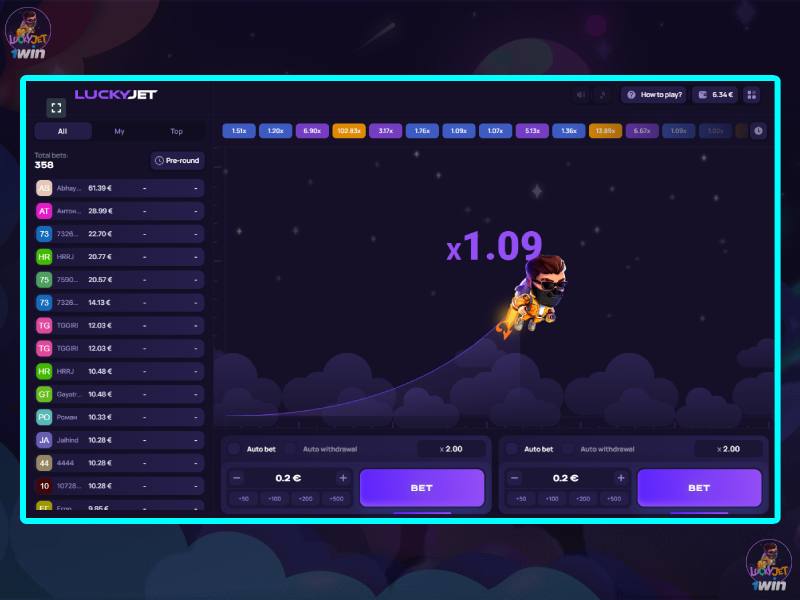
Cultivating Equanimity amid Volatility
Equanimity, or Upekkha, is a form of balance. It is about remaining steady when things go well or poorly. Lucky Jet, with its rapid wins and losses, is a practice gym for this quality. The aim is not to become a robot. It is to prevent being thrown into greed by a win or into despair by a loss. You practice by noticing these reactions in your body. A win brings a buzz; a loss brings a sink. You accept the feeling, but you do not let it decide your next move. Over time, this fosters emotional resilience. Your inner calm becomes less dependent on the digital jet’s path. This steadiness makes the entire experience more manageable and, ironically, more fun.
Actionable Tips for a Conscious Gaming Session
How do you really do this? You do not must meditate for an hour first. Small, intentional changes can transform your play. Begin by defining a simple intention. Tell yourself, « I will stay aware of my state, » or « I will follow my limits. » The point is persistence. Trying just one of these steps can shift how you perceive the game. These habits establish a space where the excitement of the game and your own wellness can exist together.
- Start with a Breath: Before hitting « Play, » take three focused breaths to center yourself in the present moment.
- Set Pre-Defined Limits: Establish a strict time and budget limit in advance, and uphold it as a discipline of non-attachment.
- Observe Without Judging: During play, periodically check in with your body and emotions. Are you anxious? Thrilled? Just observe.
- Practice « Letting Go » Clicks: When you make a bet, consciously release the outcome in your mind as the jet takes off.
- Reflect Briefly: After your session, spend a minute reviewing. How was your composure? What did you perceive?
The Path of the Conscious Gamer
Looking at Lucky Jet through a Buddhist lens encourages a more conscious kind of play. This path does not reduce fun. It can enhance it by adding awareness. You might find the real game is not just the multiplier on the screen, but how you handle your own reactions. This turns gaming from a passive activity into an active practice. You come to understand to watch your mind. The calm you nurture during your session can spill over into other parts of your day. By mixing the game’s thrill with timeless principles, you build a healthier relationship with digital entertainment. You transform into the mindful pilot of your own experience, regardless of where the jet flies.
FAQ
Is applying Buddhist principles mean I shouldn’t seek to win?

Not at all. The aim is to shift your main attention. You can still want to win and prepare your bets. But you approach it from a place of balance, not from a hungry craving. Non-attachment invites you to release your desperate need for one specific outcome. This can truly unclutter your head for better decisions. Enjoy the chase, but embrace the result.
How can I cultivate mindfulness during such a fast-paced game?
Commence with the small pauses the game offers you. Employ the instant before the jet takes off. Use the moment after you cash out. In that short window, sense your chair, or notice one inhale and exhalation. You are not aiming for intense meditation. You are just escaping autopilot for a moment. These micro-check-ins can help you regroup and keep in tune to what is truly happening.
Does setting loss limits really a Buddhist idea?
It fits closely with Buddhist ethics. The principle of « Ahimsa » means to inflict no harm. Defining a loss limit is an act of stopping harm to oneself, both economically and psychologically. It is a useful use of wisdom. You accept luck is fleeting, and you shield your well-being. That turns a accountable gaming tool into a mindful practice.
Can these ideas help with annoyance after a loss?
Absolutely. The teaching on impermanence shows you the loss is a temporary event, not who you are. Cultivating equanimity requires you approach the frustration with observation. You observe the feeling in your chest or your thoughts. By accepting it without feeding it, you provide it space to fade. This cuts down the suffering and enables you go back to neutral faster.
Do I need to be a Buddhist to gain from this approach?
Not at all. These are general tools for mental management, framed in Buddhist terms. Concepts like mindfulness, emotional balance, and responsible play are helpful for anyone. View them as mental fitness exercises you can use to your gaming hobby. They can increase enjoyment and decrease stress, with no religious belief required.
In what way does non-attachment vary from not caring?
This difference is key. Not caring is apathy. You are bored and disengaged. Non-attachment is full engagement with an open hand. You value playing, you feel the excitement, but you do not link your inner peace to the result. You invest your attention, not your sanity. This permits passionate play without the misery that arises from clinging.
Is this mindful approach be utilized to other casino-style games?
Certainly. These ideas work everywhere where there exists randomness, volatility, and feelings that arise. Each fast-paced game with short rounds is an space to develop mindfulness, notice impermanence, and develop equanimity. The core practice stays the same. You bring mindful awareness and a balanced mind to your engagement. This may transform a potential stress source into a domain for conscious engagement.
