
Alcohol intolerance can cause immediate, uncomfortable reactions after you drink alcohol. To reduce the risk of adverse reactions, it is important to avoid wines that contain sulfites. Additionally, those with sensitivities can opt for organic or biodynamic wines that are free from added sulfites. Wine allergy symptoms can range from mild to severe, and in extreme cases may even lead to anaphylaxis. If you think you might be allergic to wine, it is important that you seek medical attention right away.
Can alcohol-induced sneezing be a temporary reaction?
So if your heart races and your body temperature skyrockets after drinking, your liver may not be able to manage the concentration of alcohol in your body effectively. If you have ever experienced sneezing after consuming alcohol, you might be wondering why this peculiar phenomenon occurs. While it may seem perplexing, there is a simple explanation for this reaction. We may never know for sure but that doesn’t mean we can’t enjoy a glass of vino every now and then.
When to see a doctor
If this occurs, it might be best to switch to red wine or to try drinking white wine in moderation. If you have any of the above-mentioned symptoms after consuming alcohol, it is best to stop drinking and seek medical help if necessary. Not only can alcohol cause physical health issues such as dehydration and swelling, but it can also lead to mental health problems such as depression, anxiety, and increased risk for suicide. While sneezing after drinking alcohol is not typically hereditary, individuals may share genetic predispositions to certain allergens or reactions that can influence their response to alcohol. Sneezing alone is not typically a sign of alcohol intolerance, which usually involves symptoms like flushing, nausea, rapid heartbeat, or headache.
An Allergic Reaction
Symptoms may include hives, swelling, difficulty breathing, headaches, nausea and vomiting. For https://www.cane-corso-in-not.de/2023/06/28/writing-an-impact-letter-to-addicted-son-samples/ those with severe allergies or asthma, sulfite intolerance can be life-threatening. For mild cases of sulfite intolerance, avoiding products with added sulfites may provide relief. Dr. Adkinson recommends that people who are prone to alcohol-related allergic reactions should avoid consuming these fruits as well as alcoholic beverages containing sulfites. He adds that the chances of having an adverse reaction to those foods or drinks is one out of every hundred. While the risk is low, those who experience such reactions should reduce or avoid alcohol and sulfite-containing foods altogether.
- While it may seem perplexing, there is a simple explanation for this reaction.
- Additionally, it might be a good idea to drink the beer more slowly and not in one quick gulp.
- If you might have an intolerance instead of an allergy, you could see a gastroenterologist, a healthcare provider specializing in digestive issues.
- For example, I have a friend who loves beer but always feels sick after drinking it.
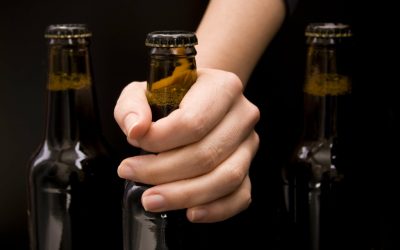
« They may also be accompanied by a red rash, swelling to the eyes, lips, face, breathing difficulties, stomach upset, feeling dizzy or faint due to low blood pressure, » she adds. « Allergic conditions may be genetic but, can happen in people with no family history too. » If sneezing after drinking beer is a recurring issue, there are several strategies that can help manage or prevent this reaction. In addition to avoiding high-histamine and allergy-triggering foods, people should focus on incorporating histamine-lowering and anti-inflammatory foods into their diet. This can include olive oil, ginger and garlic, and some dairy products, such as organic yogurt, for example.
- Some people may be sensitive to other compounds in the beverage and will need allergy testing to determine what they are allergic to.
- Additionally, alcohol can cause a histamine reaction, triggered by the body’s immune system when it comes into contact with the allergen.
- While it may take some trial and error, if all other factors are considered, it is possible to still enjoy a morning cup of coffee without any unwanted interruptions.
- When mixed with alcohol, they can cause a buildup of acetaldehyde, a toxin that makes you feel flushed, sick, and ready to swear off alcohol altogether.
Beer contains histamines, which can cause an allergic response
If you’re allergic to another ingredient contained in certain alcoholic products, switching what is alcoholism to a different drink might be an option. If you have an allergy, your immune system over-reacts to contact with a trigger or “allergen.” If you have an alcohol allergy, your immune system treats alcohol as a threat. Yes, if drinking beer triggers sneezing, it is advised to avoid beer or choose low-histamine alcoholic beverages. However, it is important to note that individual tolerance varies, and the best alternative is to avoid alcohol entirely if it causes negative reactions.
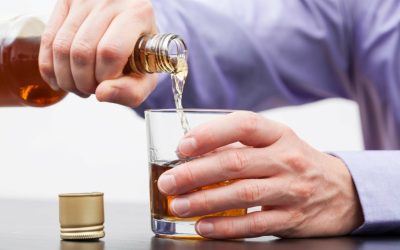
Better treatment. Better doctors. A better life without allergies.

In fact, a small 2014 study of Chinese people with a beer allergy found that sensitivity to sorghum or sorghum malt was the can alcohol make you sneeze most common cause. Additionally, if you are allergic to a specific grain, you will experience symptoms when consuming other food products containing that allergen, not just beer. Alcohol allergies can cause your throat to feel tight, as if it’s closing up a bit.
- With alcohol intolerance, your body isn’t reacting to the presence of alcohol; it’s simply taking a long time to break alcohol down and flush it from the body.
- Intolerance is different from an allergy and usually involves symptoms like flushing, nausea, or headache.
Individual Factors and Sensitivities
For many individuals, alcohol-induced sneezing is indeed temporary and subsides soon after consuming alcohol. However, if it persists or becomes a consistent reaction, seeking advice from a healthcare professional is recommended. In some cases, reactions can be triggered by a true allergy to a grain such as corn, wheat or rye or to another substance in alcoholic beverages. Having a mild intolerance to alcohol or something else in alcoholic beverages might not require a trip to a doctor. Simply avoid alcohol, limit how much you drink or avoid certain types of alcoholic beverages. Allergies can be serious and require medical attention, so if you think you might have an allergy to something in beer, speak with a doctor as soon as possible for the best treatment advice.
